

CC0-1.0 · Static model
Toy sports car
Compare clearcoat paint, window transmission and fabric sheen while orbiting the car.
- Use
- Product objects
- Mesh
- 108,936 triangles · 5.17 MB
Explore fourteen household, furniture and product-object references. Inspect fabric sheen, metal, glass, surface maps and the underlying geometry while keeping author and license information with each model.
Last updated
14 source-attributed references · live browser previews
CC0-1.0 · Static model
Compare clearcoat paint, window transmission and fabric sheen while orbiting the car.
CC0-1.0 · Static model
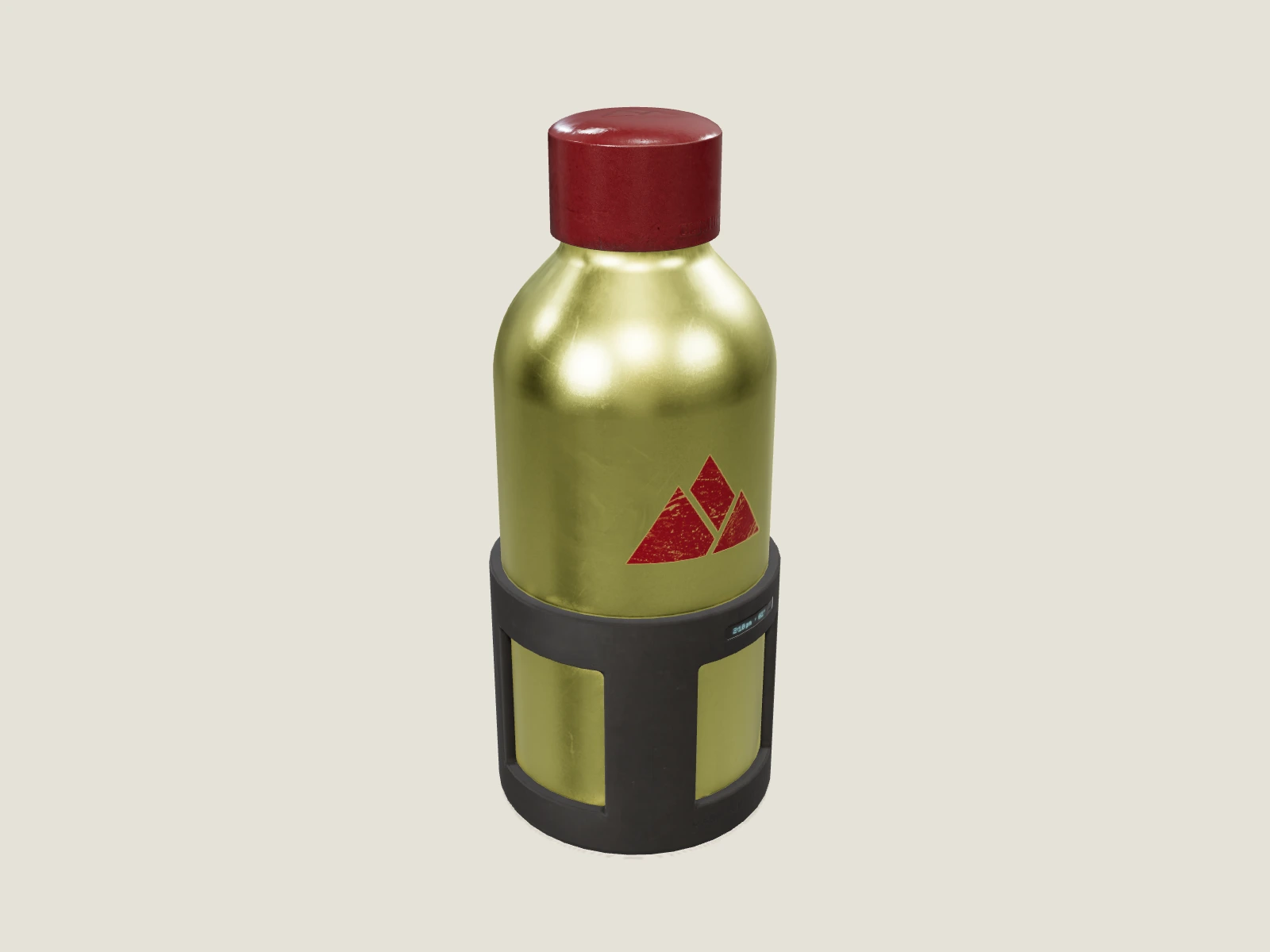
Compare reflective metal, painted details and normal, occlusion and emissive maps.
CC0-1.0 · Static model
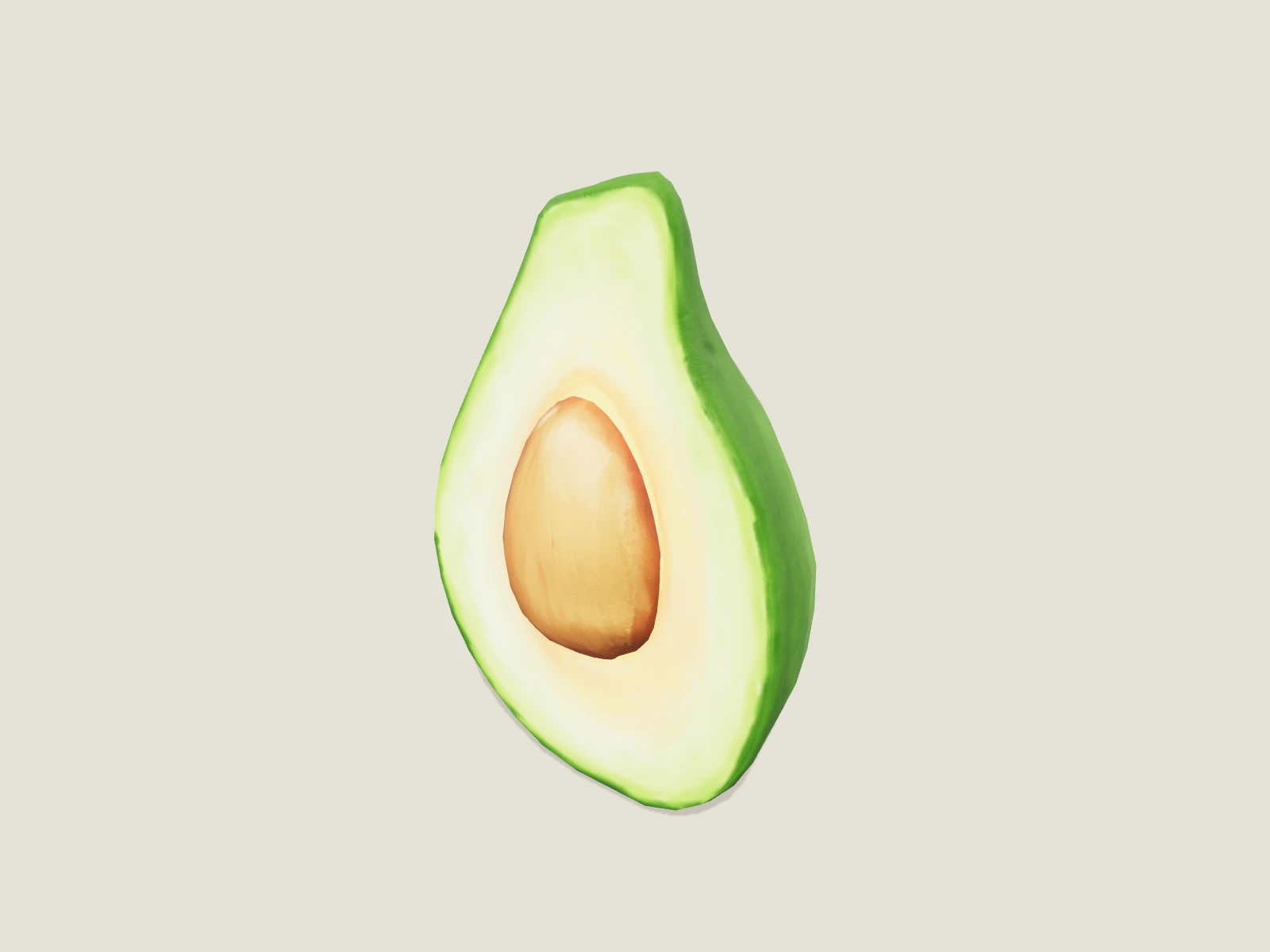
Orbit the cut fruit to compare the hand-painted surface detail with its underlying silhouette.
CC0-1.0 · Static model
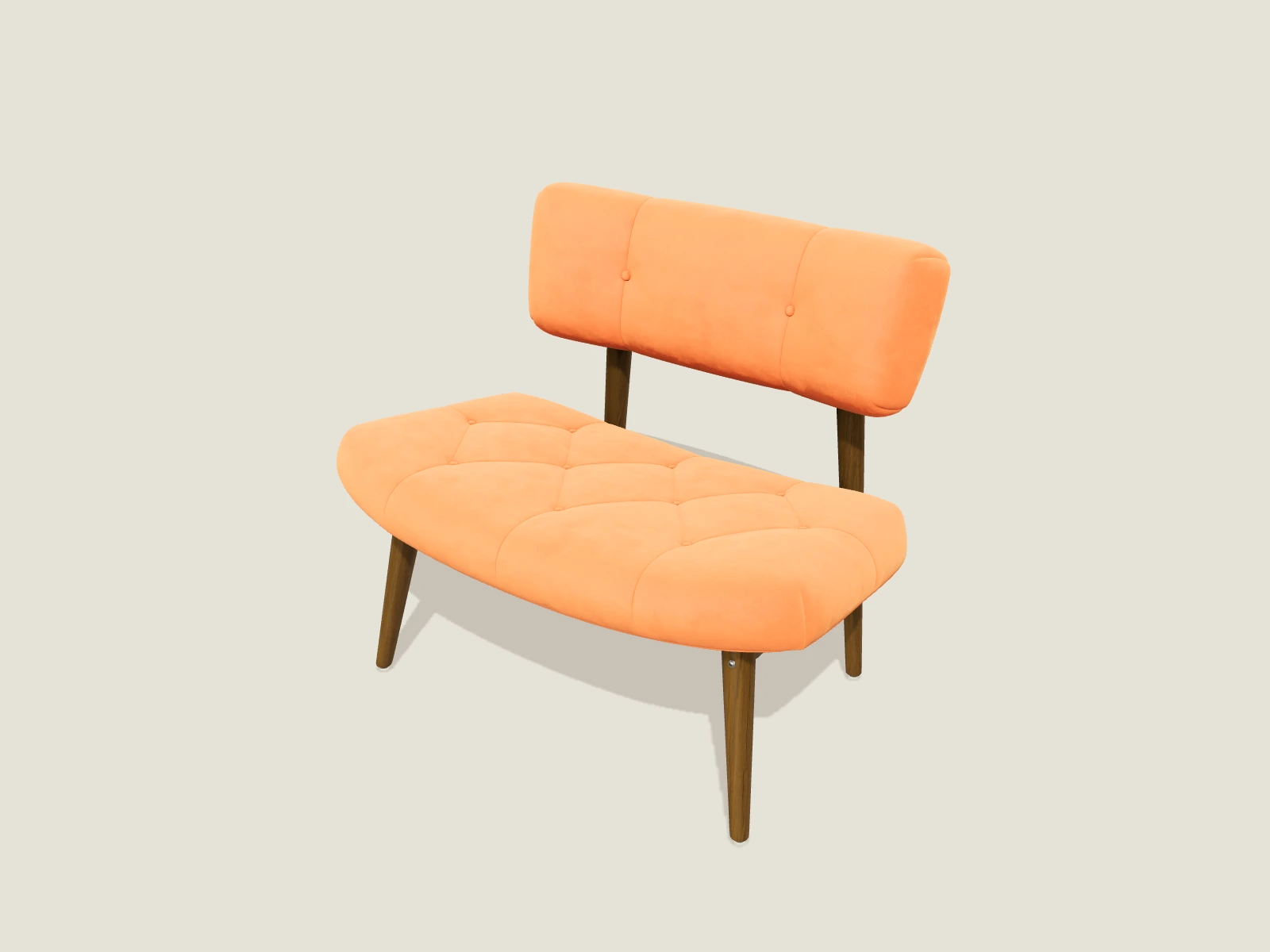
Compare velvet sheen, wood grain and small metal buttons on a tufted furniture asset.
CC-BY-4.0 · Static model
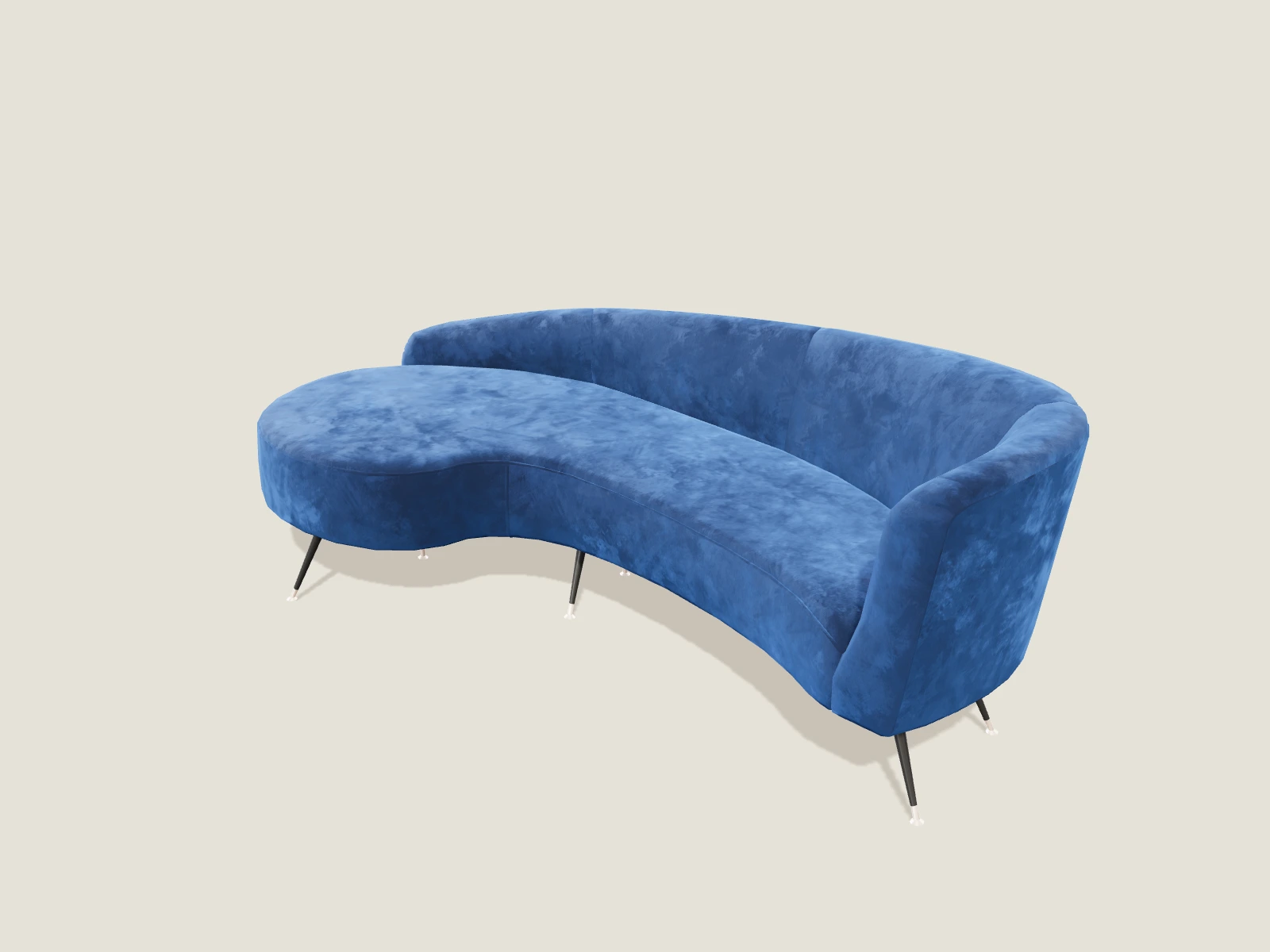
Inspect the rounded cushions and changing velvet response on this curved sofa.
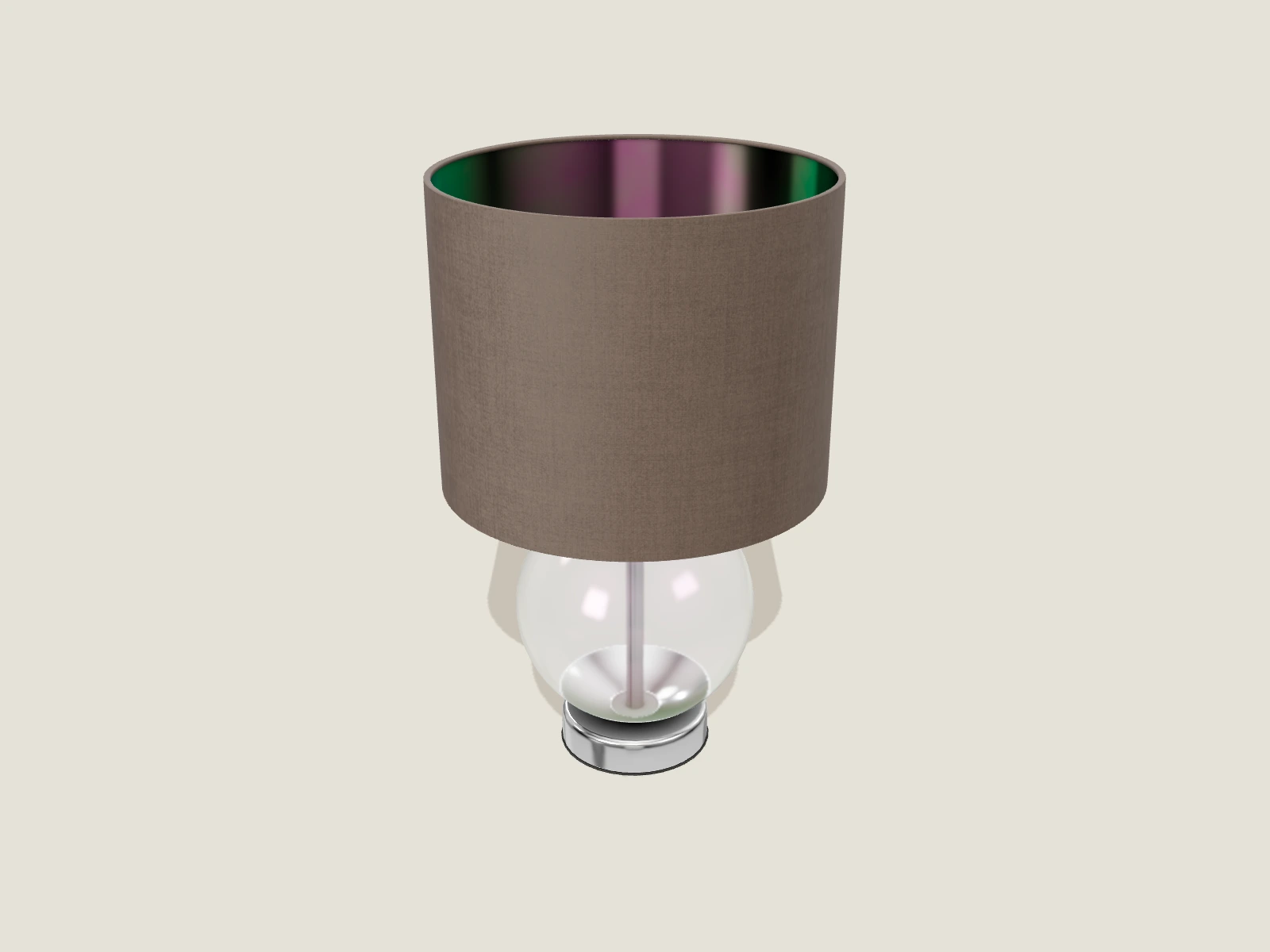
CC-BY-4.0 · Static model
Orbit the lamp to inspect the color-shifting coating and reflector silhouette.
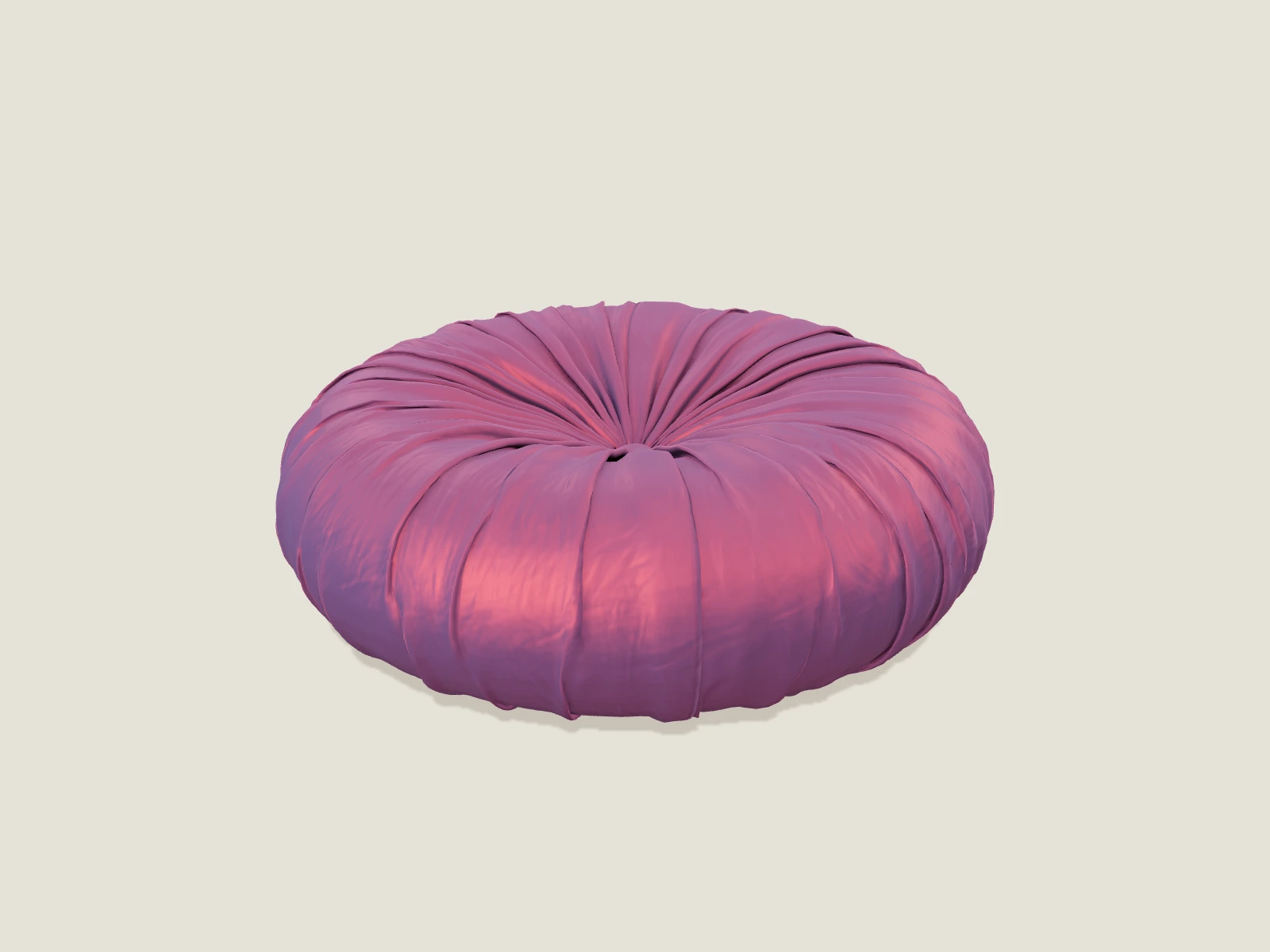
CC-BY-4.0 · Static model
Inspect the fabric folds, sheen and specular response of a soft silk seat.
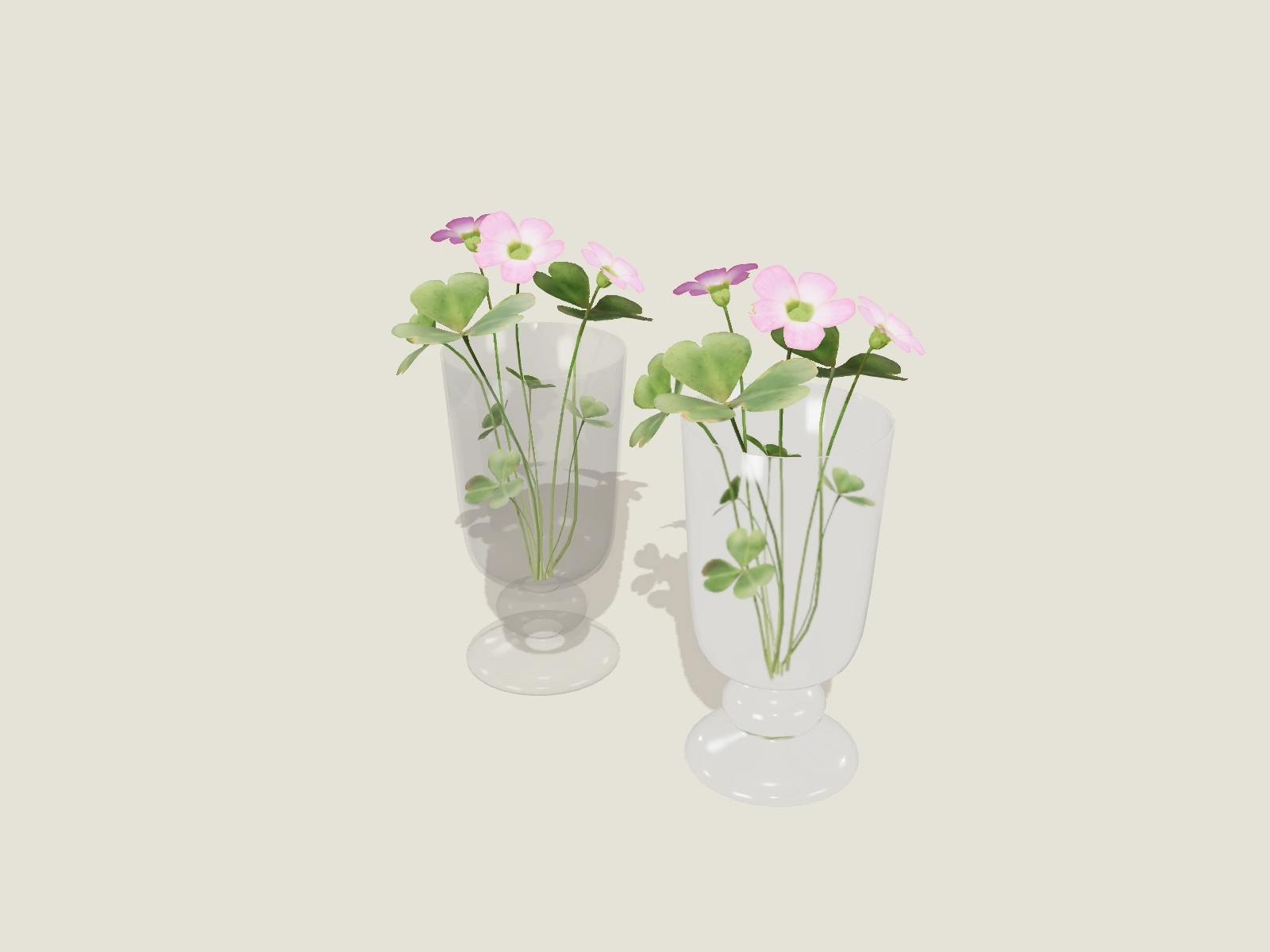
CC0-1.0 · Static model
Compare two glass vases using alpha blending versus transmission and volume.
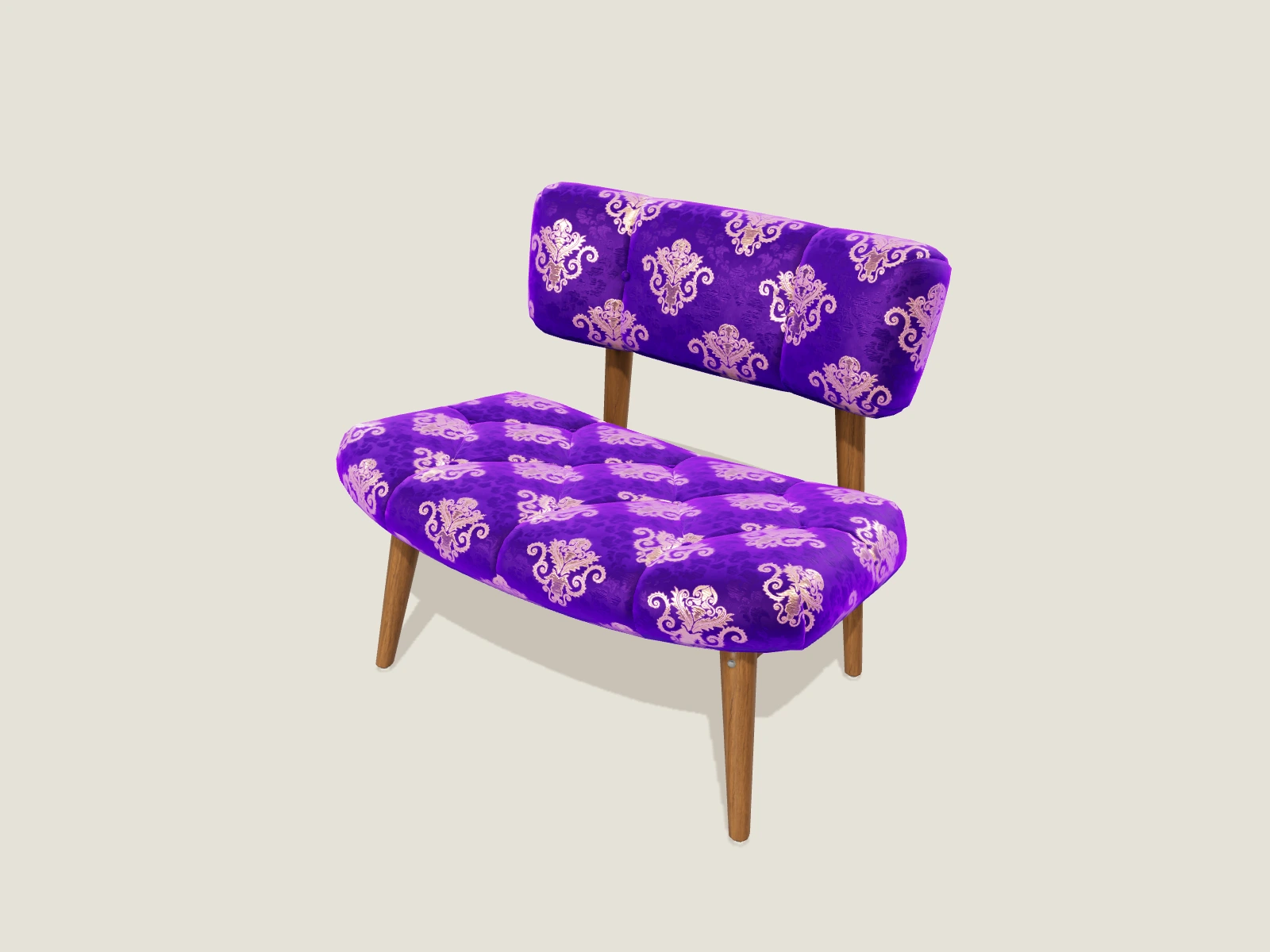
CC-BY-4.0 · Static model
Inspect the purple and gold fabric pattern, sheen and upholstery transitions.
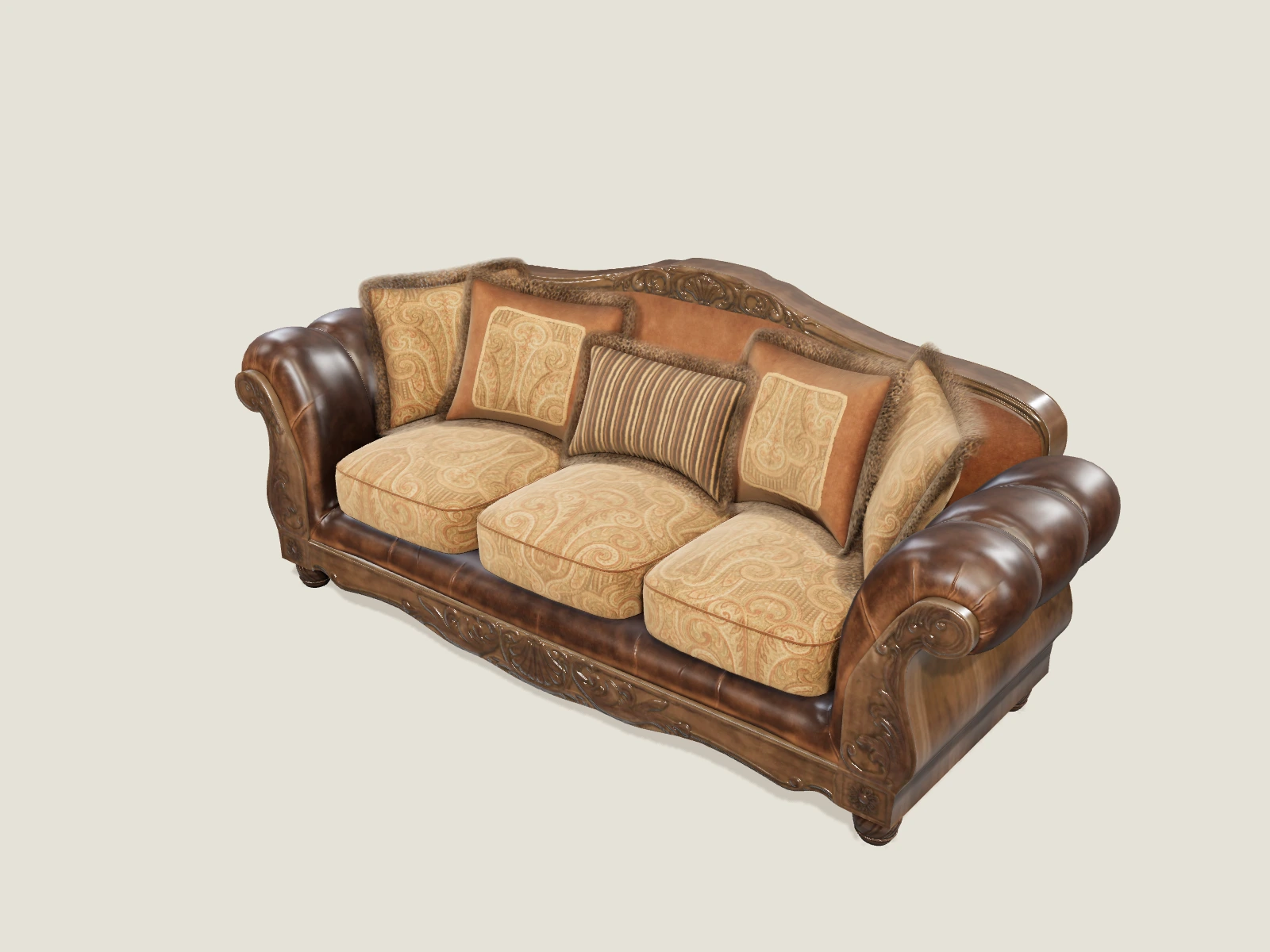
CC-BY-4.0 · Static model
Compare wood, leather and tiled texture responses on one furniture reference.
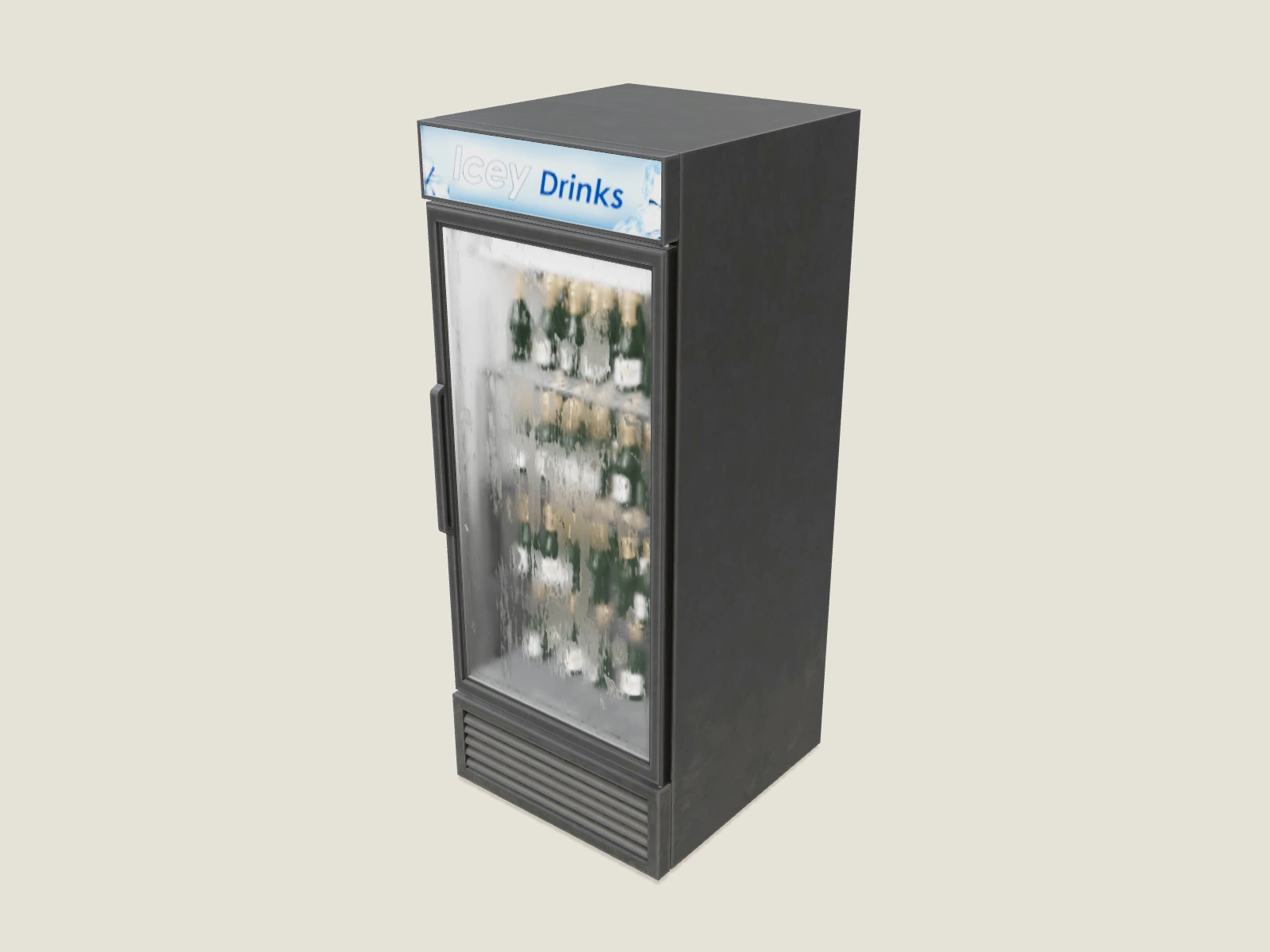
CC-BY-4.0 · 1 animation clips
Inspect glass doors, condensation, bottles and the included first animation clip.
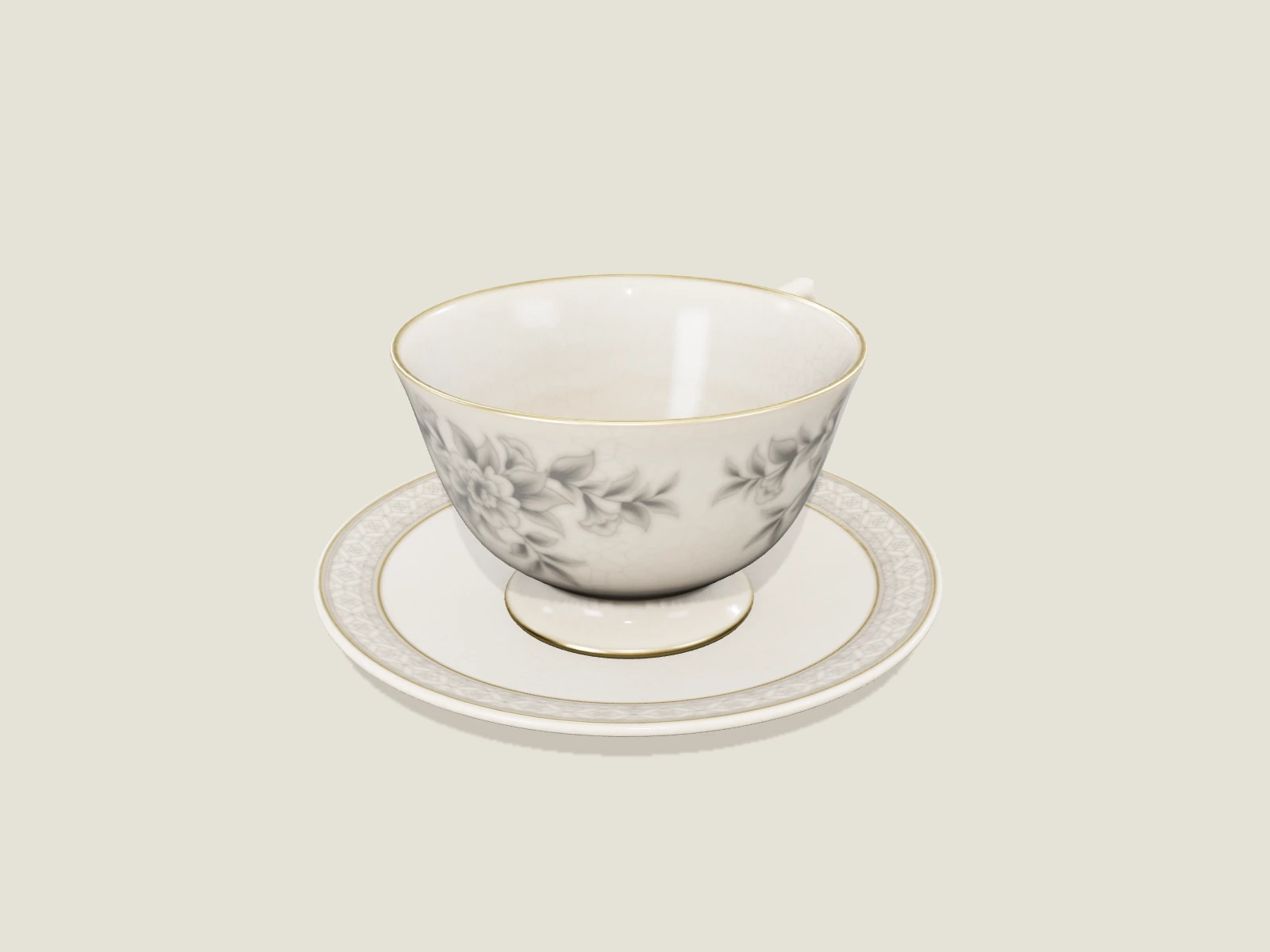
CC0-1.0 · Static model
Inspect the handle, thin porcelain edges and diffuse transmission on a cup and saucer.
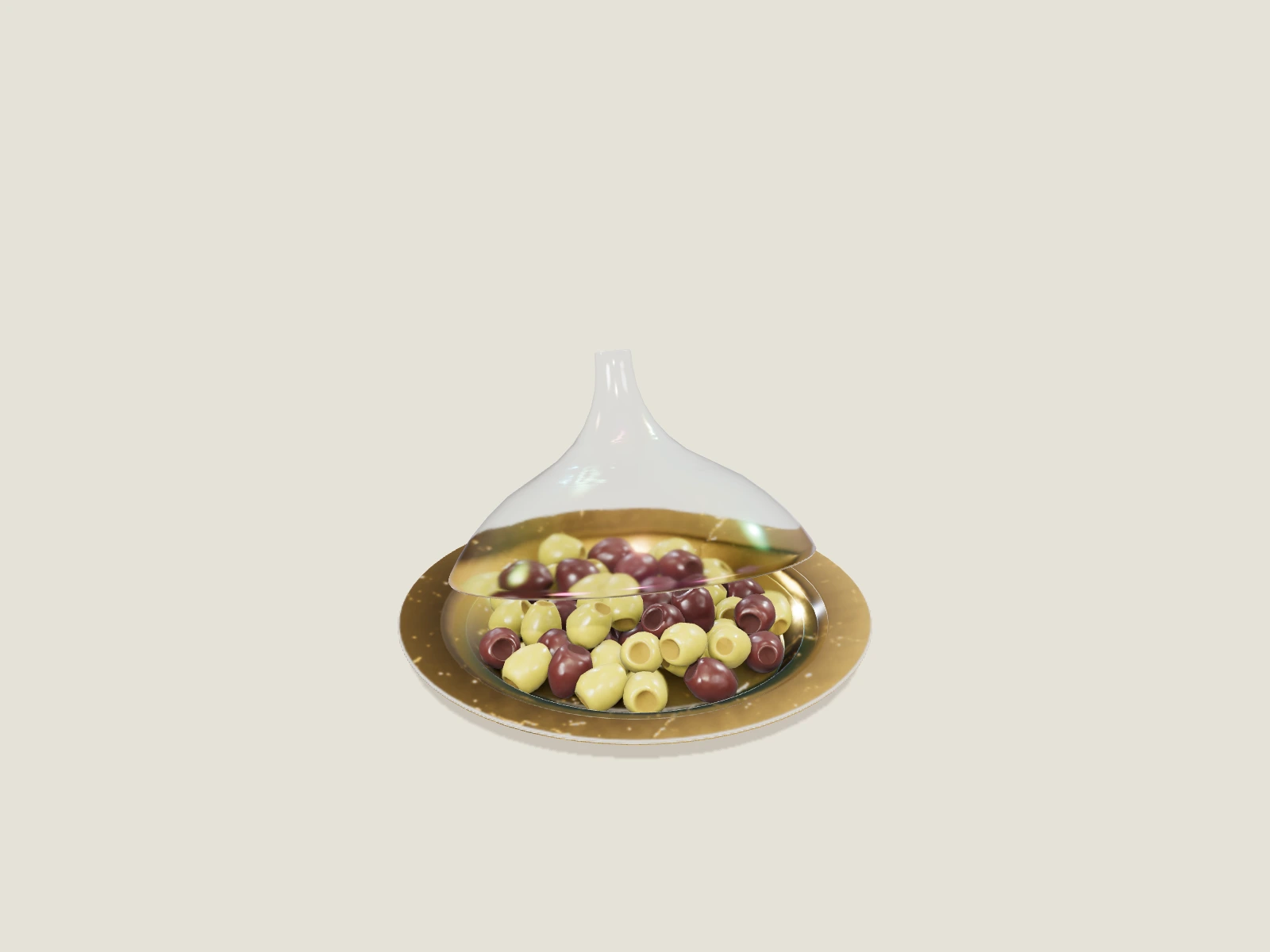
CC-BY-4.0 · 1 animation clips
Inspect layered glass materials, reflections and the shapes of the olives.
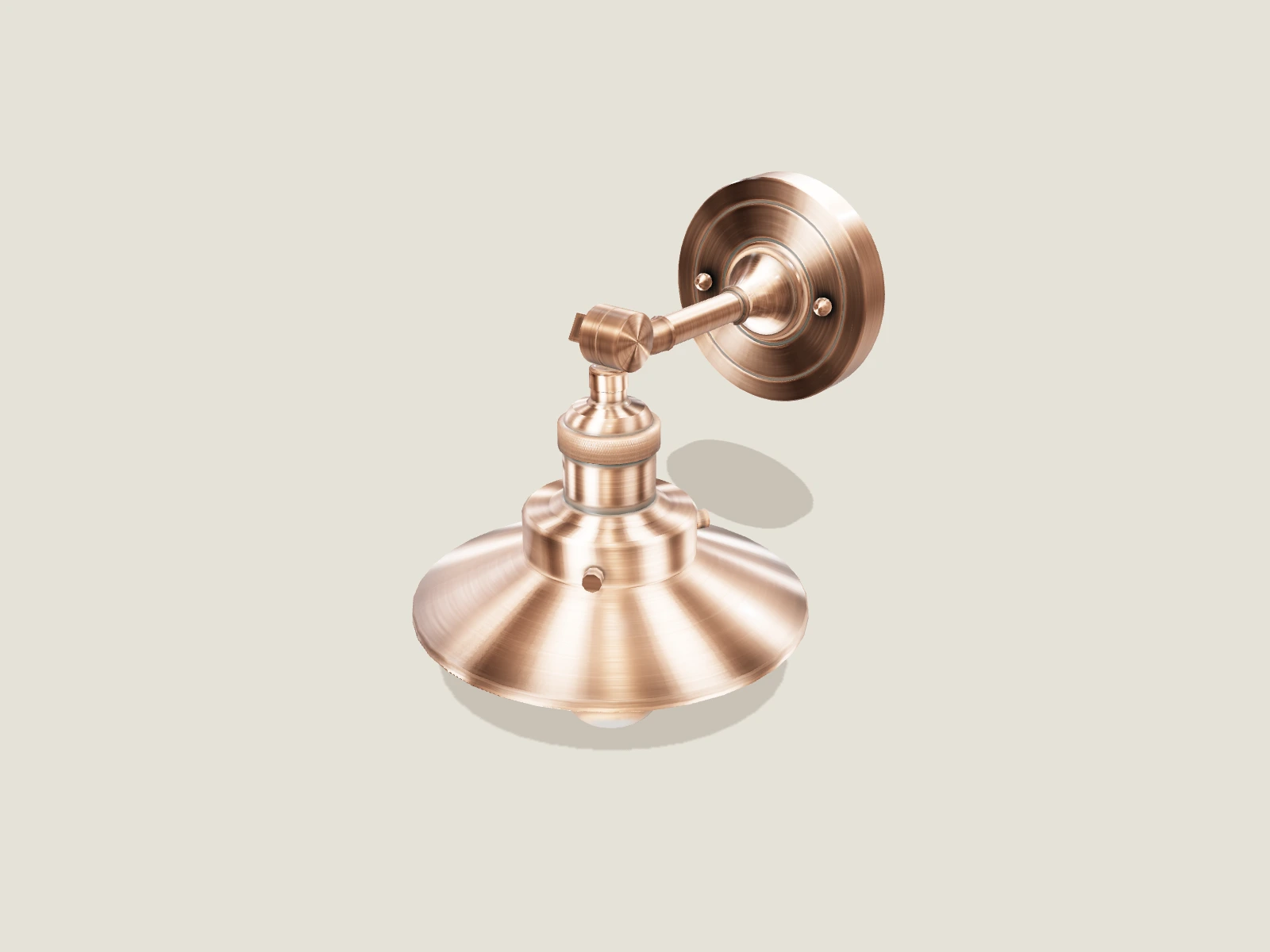
CC-BY-4.0 · Static model
Inspect directional metal highlights and the transition from housing to glass.
Velvet seats demonstrate sheen; lamps demonstrate iridescence or directional metal highlights; glass objects use transmission and volume. Compare these materials under ordinary lighting and switch to clay or normal mode to distinguish shading from geometry.
These authored models help you explore materials and presentation. They do not reconstruct a product from its photograph or establish manufacturer dimensions. Source screenshots and browser lighting can differ, so inspect the rotatable model when a detail matters.
Environment lighting, tone mapping, material extension support and importer settings affect appearance. Check the model in the receiving renderer as part of your workflow.
A convincing render does not establish watertightness, minimum thickness or physical scale. Inspect those properties with a suitable modeling and slicing workflow before printing.
A useful next step
Prepare a clear reference, choose a delivery format, and inspect what arrives.